On the first day back after Christmas, a food processing plant gathered its team for a routine debrief. Coffee cups were still warm. Notebooks were open. The mood was familiar another review, another set of results. As we went through


On the first day back after Christmas, a food processing plant gathered its team for a routine debrief. Coffee cups were still warm. Notebooks were open. The mood was familiar another review, another set of results. As we went through

This week, research has resurfaced highlighting plastic chopping boards as a potential source of micro-plastic contamination in food, it got us thinking. For years, during food safety trainings especially in hot kitchens , we’ve discouraged
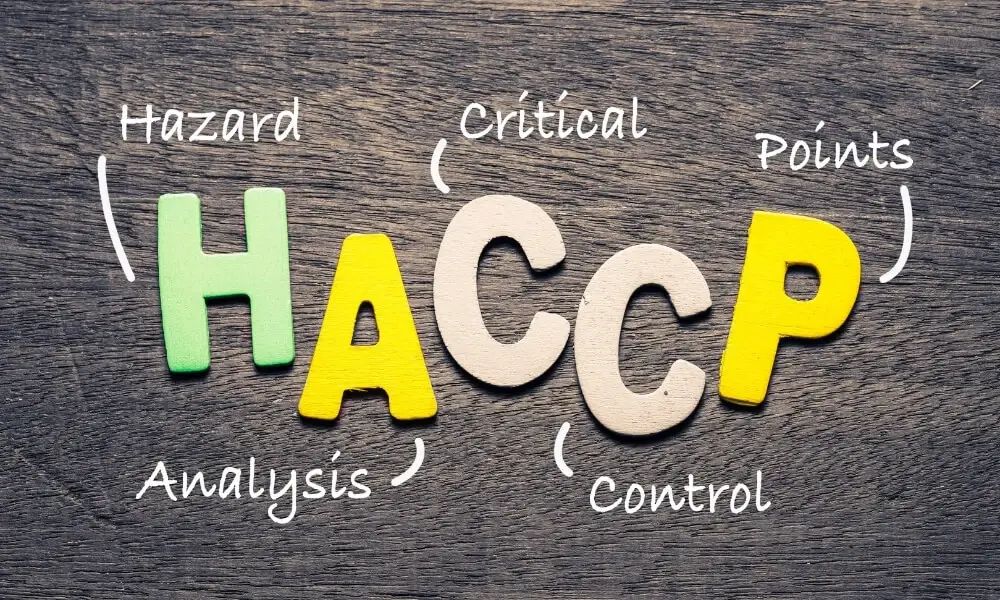
Principle 1: Conduct a Hazard Analysis, the first step in HACCP is identifying potential hazards in each phase of food production. These hazards can be biological (bacteria, viruses), chemical (pesticide residues), or physical (foreign objects)
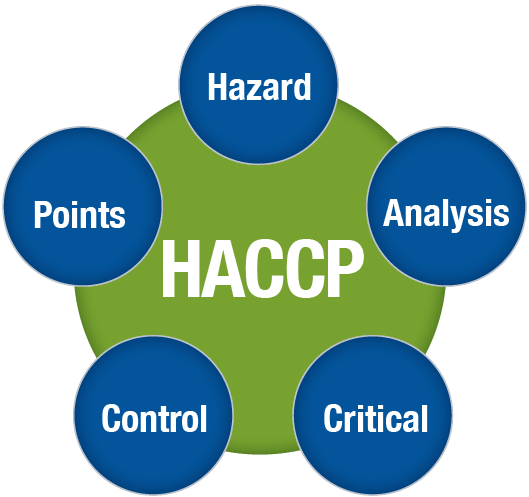
In today’s food industry, where public health risks from foodborne illnesses are a constant concern, the HACCP system plays a critical role in safeguarding consumers.
Our team of brings a wealth of experience across various sectors within the Kenyan food industry. We specialize in guiding small and medium enterprises (SMEs) through the complex processes of system implementation, certification, and continuous improvement.
Aten Fields Moptions Centre
1st Floor (near Fahari Gardens Hotel Road) Nairobi, Kenya
Call – 0773 397 851
Copyright © 2026 Atenfields. All Rights Reserved